
Warnings Against Intense Summer UV
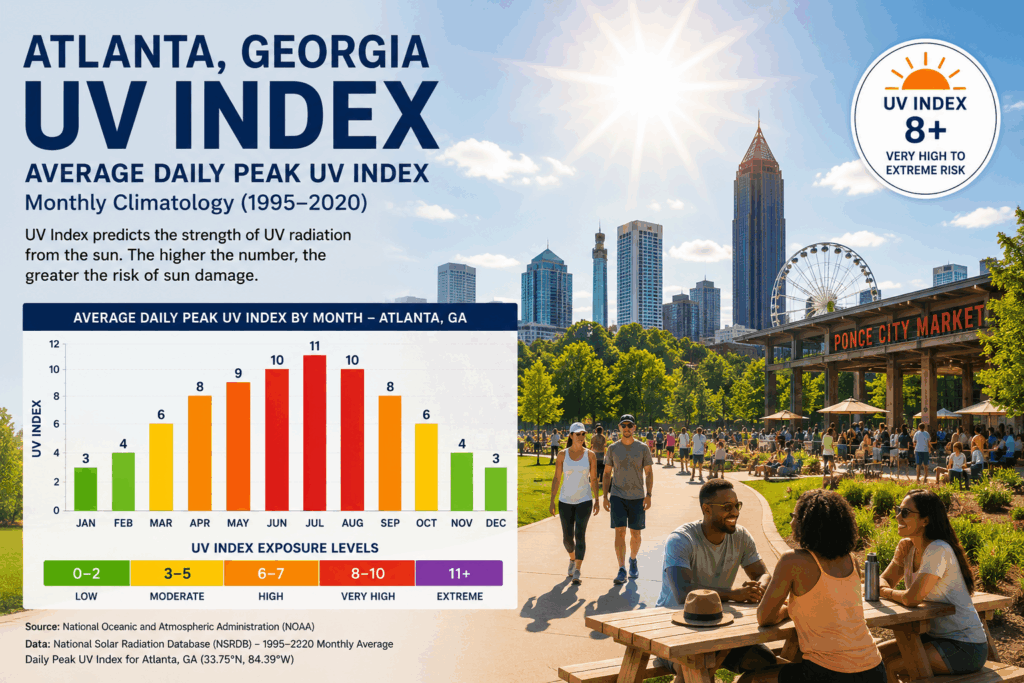
Summer draws people outdoors for good reason. The longer days, warmer temperatures, and natural attraction to spending more time outdoors are part of what makes this season worth looking forward to. At the same time, the ultraviolet radiation reaching your skin during these months represents one of the most consistent and preventable health risks most people encounter all year. As a dermatologist, the volume of patients I see with UV-related skin damage, some of it serious, makes it difficult to sit quietly while another summer season ramps up without saying something direct. This summer, dermatologists must send a warning about being intentional and purposeful in protecting from intensifying UV rays.
UV Affects All Skin Colors
Ultraviolet radiation from the sun comes in two primary forms that affect the skin differently. UVB rays target the outer layers of the skin and are the primary driver of sunburns, that familiar redness, peeling, and tenderness that follows a day with too much sun exposure. UVA rays work differently. They penetrate more deeply, reaching into the innermost layers of the skin and causing damage at the cellular level, including to the DNA inside those cells.
The other important thing to understand about UV damage is that it accumulates. The body is able to do some repair of the damage UV radiation causes, but not all. That unrepaired damage builds over years and decades. Over time, accumulated mutations can cause skin cells to multiply uncontrollably, which is how skin cancer develops.
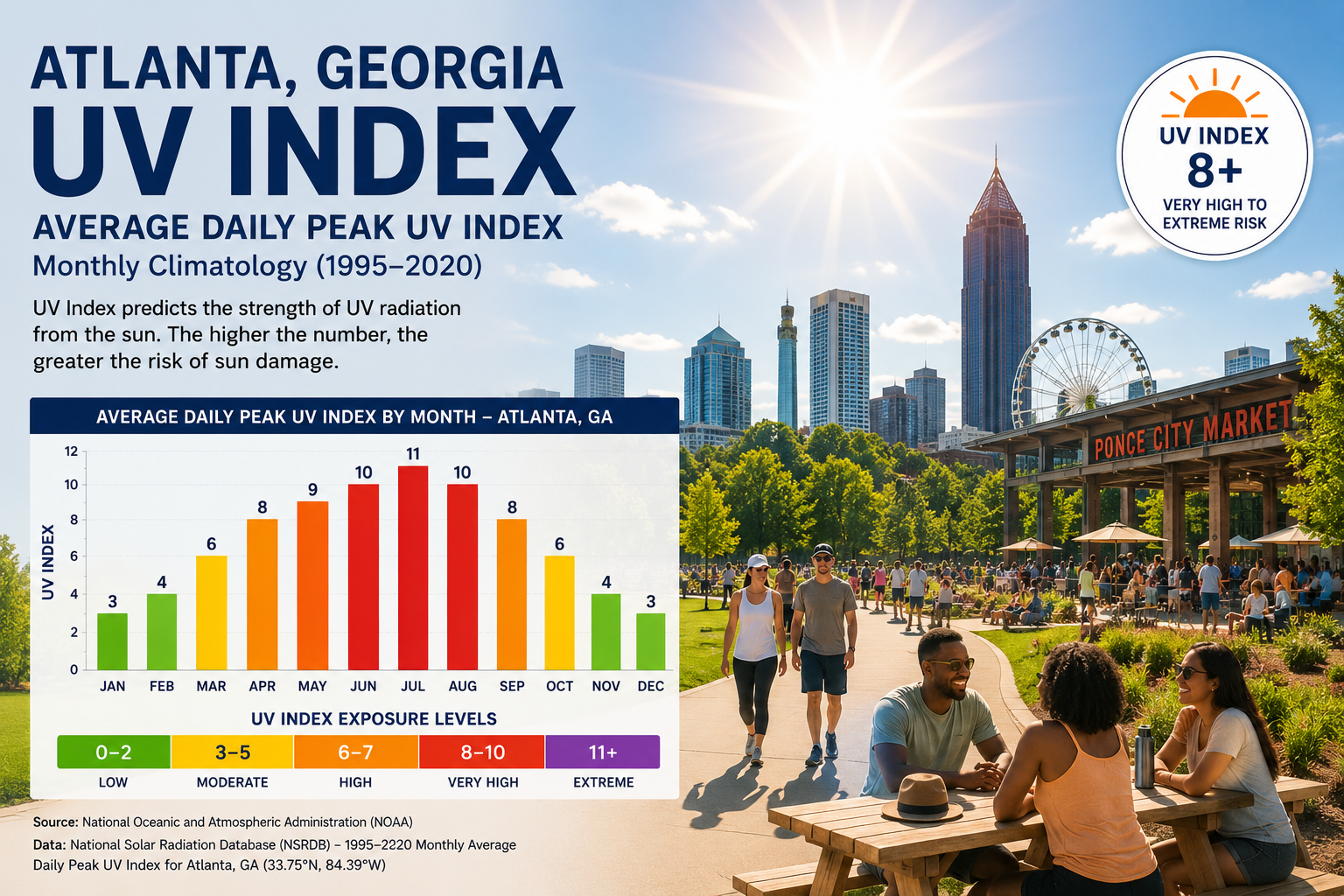 Peak Exposure Times and Environments
UV radiation is most intense between 10 a.m. and 4 p.m., which is why so many people end up with too much exposure. This is peak time when people are outside, especially enjoying time by the water in the hot summer. However, this window of time is when the sun’s angle is most direct, and the distance UV rays must travel is the shortest. If outdoor activity is unavoidable during that window, consistent sun protection is not optional.
Don’t just think of sun protection on the water or poolside. The higher up you are, the less distance those rays have to travel to reach you. Environments at higher altitudes, often encountered when hiking and camping, require greater diligence in protecting the skin from the sun because UV doesn’t have to travel as far. Beach and pool environments carry especially high exposure, even when someone is sitting in the shade, because these reflective surfaces reflect UV radiation onto the skin.
Effective Sun Protection Measures
Keep it simple when choosing sunscreen, and pick one with at least SPF 30. For those with lighter skin and those spending extended time outdoors should consider SPF 50 or higher. The single most common error people make with sunscreen is applying it once and assuming that application lasts all day. Sunscreen should be reapplied every 2 hours because a single morning application for an entire day outdoors does not provide enough protection.
Avoid Tanning Beds
Tanning beds are never a safe alternative. Research published in 2025 confirmed that tanning bed use triples a person’s risk of developing melanoma. A single session increases melanoma risk by 30% and non-melanoma skin cancer risk by nearly 40%. There is no therapeutic or cosmetic benefit from tanning bed use that justifies those figures, and dermatologists recommend avoiding them entirely.
Don’t Skip Skin Cancer Screening
It isn’t surprising that skin cancer is the most diagnosed cancer in the United States and affects 1 in 10 people. Nearly 90% of melanoma cases are linked to continued sun exposure, which means they are avoidable. Normalizing annual skin cancer screenings with a licensed dermatologist allows a trained clinician to evaluate the entire skin surface, including areas the patient cannot easily see or assess, such as the scalp, back, and the area behind the ears. Between annual skin cancer screenings, self-examinations at home are encouraged because knowing your own skin is the most effective ways to catch changes early.
Don’t Ignore Skin Moles
Most established dermatology practices can see patients with rapidly changing lesions on a priority basis. If something on your skin changes noticeably between annual appointments, call your provider and describe what you’re seeing. The prognosis for skin cancer, including melanoma, is substantially better when it is identified and treated at an early stage, before any spread has occurred.
Enjoying Summer Smartly
Spending time outdoors during summer has genuine physical and mental health benefits, and it is possible to enjoy the outdoors this summer while staying safe from the intensifying UV rays. The goal of sun protection is to make outdoor activity safer.
Checking the UV Index through a weather app or the daily UV index forecast helps people make the best decisions about sun protection. Before heading out for the day, apply broad-spectrum sunscreen, wear protective clothing and eyewear, and schedule a skin cancer screening with your local dermatologist. These are great habits to enjoy this summer safely!