
Dermatology for Hair Loss Concerns
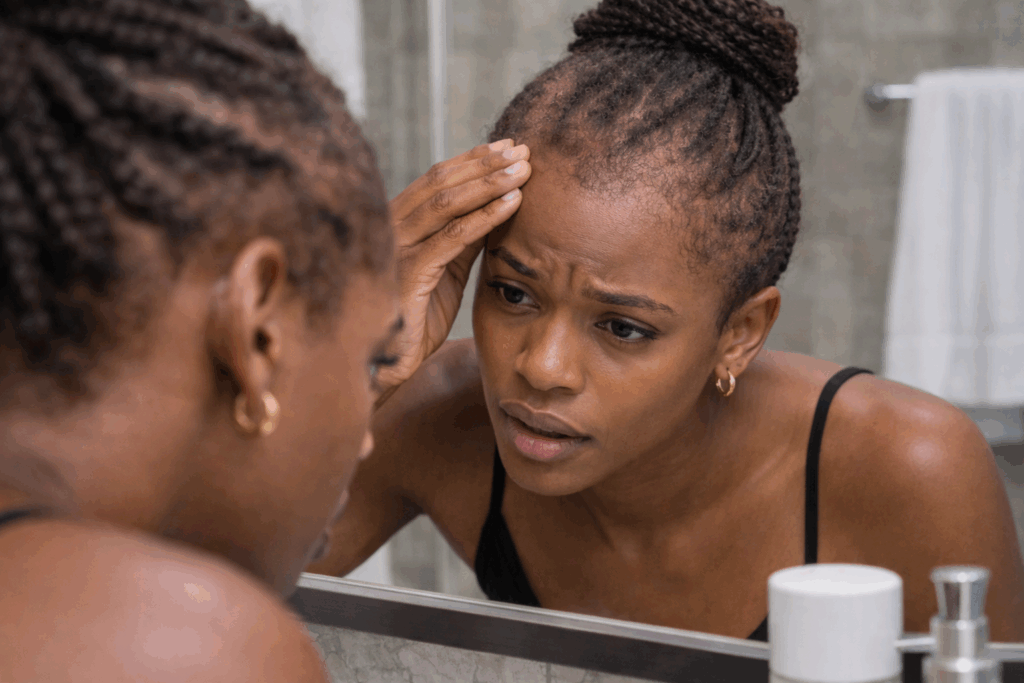
Often overlooked in the field of dermatology is training and knowledge of hair loss in men and women, as well as its treatment. Dermatology is a medical specialty focused on hair, skin, and nails. People rarely think twice about going to a dermatologist for their skin, and they are the go-to professionals for skin cancer screenings. But when it comes to hair loss, people become complacent and believe it is just what happens, and instead of seeking solutions and treatment, they just let it happen. Board-certified dermatologists get to the cause of hair loss and accurately diagnose the condition. Once this occurs, treatment options can be offered. The range of reasons hair loss occurs is vast, which is why a consultation is necessary. The right questions must be asked, and clients need to be honest about their lifestyle choices, family history, and other things that may be triggering or worsening the condition. Yes, there are treatments like hair plugs and other ways to make hair loss appear less noticeable, but treating this condition at its source can yield longer-term, more cost-effective results.
What Questions Are Asked?
Questions allow dermatologists to identify the patterns of hair loss. Was the loss sudden, gradual, or the result of some traumatic event? Stress is a well-known culprit of hair loss, especially in men. An exam often occurs during the consultation, so the dermatologist can look closely at the scalp and nails and get a closer look that can provide clues. Hair tests will also be done and are painless to the patient. These simple but telling tests can help make the best diagnosis and start addressing their concerns more directly.
Common Hair Loss Discoveries
Some patients feel relief when they receive a diagnosis and realize they can likely treat their hair loss. Some of the most common diagnoses include nutrient and vitamin deficiencies, infections or viral diseases, and hormone imbalances. Many women going through peri menopause and menopause experience differences in hair texture and can experience significant hair loss in these later stages. When hair loss occurs in younger adults, it is less likely to be related to hormonal changes. The birth of a child, surgeries, and anesthesia can cause hair loss, which people don’t always know about, and become concerned about when hair starts coming out and ends up in the bottom of the shower drain.
Hair Loss Treatments Are Personal
In some cases, a dermatologist may recommend foregoing treatment, with the expectation that hair will grow back on its own. Giving birth, surgery, cancer treatment, extreme weight loss, and scalp treatments often result in natural regrowth. The texture, and sometimes even the color, may be different, but hair will grow back in many cases.
Hair loss treatment is personal. It depends greatly on how much the loss bothers someone and if they want to commit to treatment. Treatments, as with anything, require consistency and commitment to see the results. Even those with alopecia areata, which is caused by an immune system that is attacked and weakened, may regrow hair once the immune system is healthy again.
Changes to Haircare Routines
Many people are surprised to find out that the way they treat their hair, whether color, style, or products, can have a profound impact on the amount of hair loss they experience. Damaged hair can cause breakage, and continued stress on hair can lead to hair loss. Black people’s hair has a unique structure and appearance, and it is vulnerable to damage. Black women often seek professional guidance from a dermatologist when their hair begins to thin, but changing their style, avoiding weaves and braids that are too tight, and maintaining consistent care can minimize these effects. Working with someone experienced in Black skincare makes a difference, and Dr. Sherrie Straughn is skilled at helping those with darker skin and unique hair textures.
Tight pullbacks, ponytails, braids, buns, and updos can do a number on hair. Wearing hats, scarves, and other head coverings regularly can lead to hair loss and thinning, a condition called traction alopecia.
Hair Loss Treatments
Some of the most common prescriptions from a board-certified dermatologist include antibiotics, Minoxidil, and Corticosteroids. There are also hair restoration treatments that can restore the hairlines. Anytime you experience hair loss and want to address it, make an appointment with your local dermatologist. If you live in Atlanta, Buckhead Dermatology helps patients identify the root cause of their hair loss and other skin conditions, and always offers professional advice. A proper diagnosis allows patients to make the best choice for their concerns. Some hair loss may resolve on its own, while other causes may require treatment or a change in hairstyle and hair care.