
To Treat or Not to Treat DPN
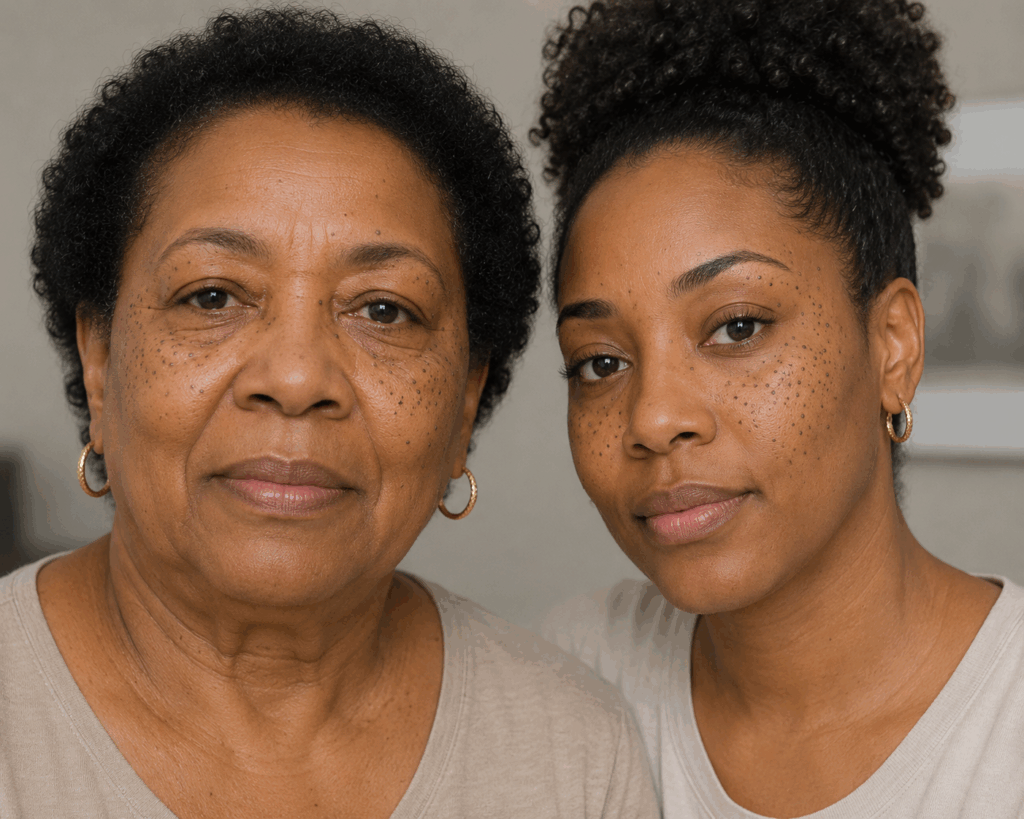
The cause of Dermatosis Papulosa Nigra (DPN) is not known, but it can often show up in family genetics and be seen across generations. This common skin condition in darker-skinned patients is often treated for cosmetic reasons. DPN is not cancerous, dangerous, contagious, or in the mole family. These black or brown papules typically appear on the face, neck, and back. Because they may resemble a skin tag hanging from the skin, people may feel embarrassed about their appearance and seek guidance on the best treatments from their trusted dermatologist. DPN is treatable, and there are several non-invasive ways to remove them and manage recovery safely.
Why People Seek DPN Treatments
The small size of DPN papules rarely gets larger than 5 millimeters in size, and is more commonly 1 millimeter, but often the placement of them may cause a person to feel self-conscious about their appearance. This skin condition may appear around age 30, and the likelihood of it worsening with age is high. Blacks and Asians often get them more regularly than those with lighter skin. DPN is most often treated for cosmetic purposes only, which means it may not be covered by insurance. However, with so many treatment options, established dermatology offices can work with patients to find the best treatment plan for them that fits their budget.
If these spots become inflamed, irritated, or irritable, they should be seen immediately by a dermatologist to prevent infection. In some cases, medical insurance may cover the procedure. Any condition of the skin that causes discomfort, irritation, or continues to get worse should be looked at by a professional to ensure the concerns are addressed and there are no complications.
Options for DPN Treatments
Whatever the reasons, someone who has these spots removed often feels refreshed, and their skin appears smoother post-treatment. The removal can cause some discoloration in darker skin tones, but a licensed dermatologist can also treat this with the expertise and methods to deliver the results patients seek. Skill and experience can significantly impact treatment results, so always work with a trusted, established dermatology office like Buckhead Dermatology.
Treatments can be done in-office, with the patient leaving immediately after the procedure. Removal may be done with the curettage method, with dermatology scissors, or with a scraping tool. Other options are electrocautery, which burns the spots using a small probe. Cryosurgery freezes the papule from the skin, similar to wart removal treatments. Laser removal is used to remove the spots and is more expensive than other treatment options. This method will create a small scab that falls off within a week. The treatment depends entirely on the results that the patient wants, and which method gets the results they seek. Follow-up care often requires keeping the area clean, covering with jelly products, and staying out of the sun. Most removal treatments are healed within a week. Removal is low risk, done in the office, and has immediate results.
Post DPN Treatment Care
If discoloration or signs of scarring concern patients post-treatment, the dermatologist can provide follow-on treatments and care to minimize signs of the spots being removed. Treatment does not prevent new DPN from appearing, but if they are a concern, they can be removed at the first signs of new ones. Since this condition affects mostly individuals with darker skin and is closely tied to a family history of the condition, removal is known to improve the quality of life for those concerned about their appearance. The Journal of Clinical and Aesthetic Dermatology reports that women are also at twice the risk of getting the condition, which means more women are seeking cosmetic treatments to have them removed.
Because DPN is a recurring skin condition in most patients, finding and working with a professional dermatologist you trust is essential. Dr. Sherrie Straughn in Atlanta specializes in treating DPN and works side by side with patients in discovering the best treatment plan for their DPN concerns. Although this is mostly an elective procedure, any concerning spots should be evaluated by a dermatologist to ensure proper diagnosis. DPN is often confused for skin tags, moles, and warts, but if any growth is a concern, they should be confirmed by someone with the background and skill to identify anything of concern. Annual skin cancer screenings are a good place to start, and this is often covered by insurance as preventive care.
Contact Buckhead today for an appointment and start treating your skin to the care it deserves!