Understanding Keloids
If you have ever had a piercing, a small cut, or even a bad case of acne that healed into a raised, thick scar that just kept growing, you might have come across a keloid. They are more common than many people realize, and they can be frustrating to deal with. The good news is that dermatologists have several effective ways to treat keloids.
So, What Exactly Is a Keloid?
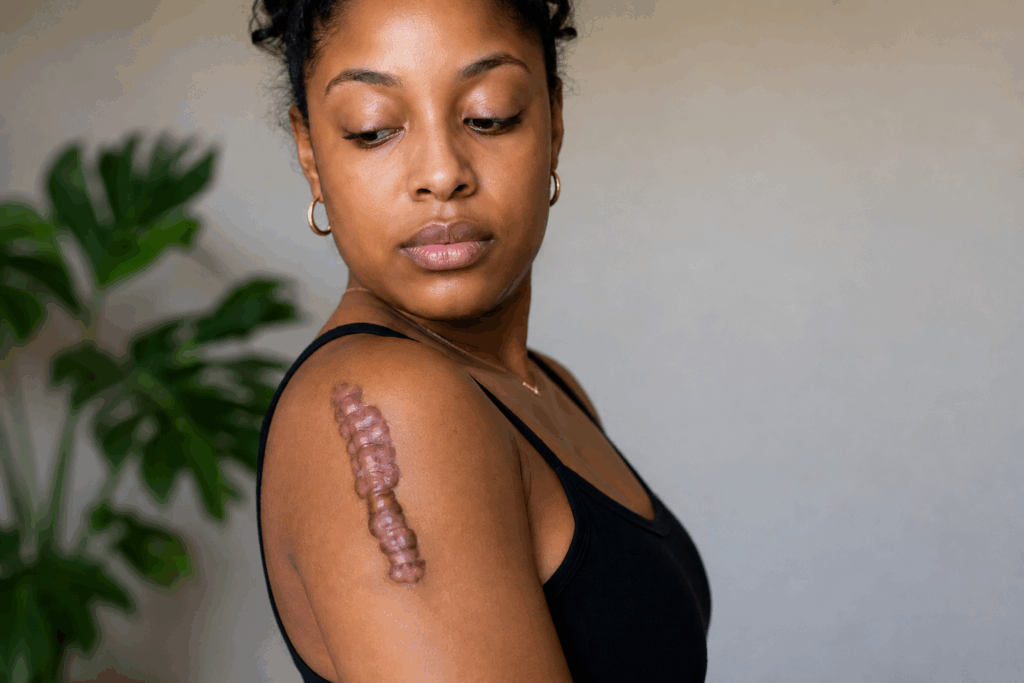
A keloid is a type of raised scar that forms when your skin overreacts during the healing process. Normally, when you get a wound, your body produces collagen to repair it and then stops once the job is done. With a keloid, the body keeps right on going and produces way too much collagen. The result is a thick, rubbery scar that will grow beyond the original wound.
Keloids can show up just about anywhere, but they love high-tension areas like the chest, shoulders, and upper back. Sometimes they appear on the earlobes and are often caused by piercings. Keloids can vary in color, with some standing out more than others. If they cause itching or discomfort, they can be treated by a local, trusted dermatologist. Keloids aren’t contagious or harmful, they can make some individuals self-conscious and embarrassed, which is when it is a good time to find out about treatments.
Who Is Most Likely to Get Them?
Anyone can develop a keloid, but some people are far more prone than others. Genetics play a big role, and skin tone matters too. In the United States, keloids affect those with dark skin tones more than 20 times as often as those with lighter skin tones. People of African, Asian, and Hispanic descent are also more likely to develop them.
Genetics plays a role, and a family history of keloids can also increase the risk of developing them. They commonly appear during puberty and pregnancy because hormone levels are shifting. Anyone who scars easily may opt to have fewer piercings and elective surgeries to avoid large keloids.
Treating Stubborn Keloids
Most people don’t realize how stubborn keloids are, and treatments vary. Dermatologists experienced in treating keloids can discuss all options with clients, ensuring they have everything they need to make an informed decision that fits their lifestyle. No single treatment works for everyone, but some are used frequently because they are effective. Some dermatologists may suggest multiple treatments, and this combination can get individuals the results they seek.
- Corticosteroid Injections This is usually the first thing a dermatologist will suggest because it is done in the office and offers real results for clients. Steroid injections are delivered directly into the keloid to shrink it and reduce inflammation. It may require multiple treatments over a month, but many people see real improvement in size, itch, and discomfort.
- Cryotherapy is when the dermatologist freezes the keloid with liquid nitrogen. It works best on smaller, newer keloids and is sometimes paired with steroid injections for better results. Freezing helps flatten the scar over time, though it can occasionally lighten the skin in that area.
- Laser Therapy can reduce redness, flatten the scar, and improve its overall texture. Lasers usually won’t completely erase a keloid on their own, but they are a great tool for softening its appearance and are often combined with other treatments.
- Surgically removing a keloid can be complex because the scarring from removal can cause another keloid, and sometimes it can be larger than the one removed. This surgical option almost always includes other treatments following surgery to prevent them from returning.
- Silicone Sheets and Pressure Therapy involve using silicone gel sheets and pressure dressings, which are a gentle, at-home-friendly option that can flatten and soften keloids over time. They require patience and consistency, since you need to wear them daily for weeks or months, but they are a low-risk way to support healing.
Keloids can be annoying, but they are very treatable, and you do not have to just live with them. If you have one that is bothering you, the smartest move is to see a board-certified dermatologist who can look at your skin and build a plan that’s right for you. Early treatment usually gives the best results, so don’t wait too long to reach out. Contact Buckhead Dermatology today for an appointment.