Are Age Spots and Melasma the Same Thing?
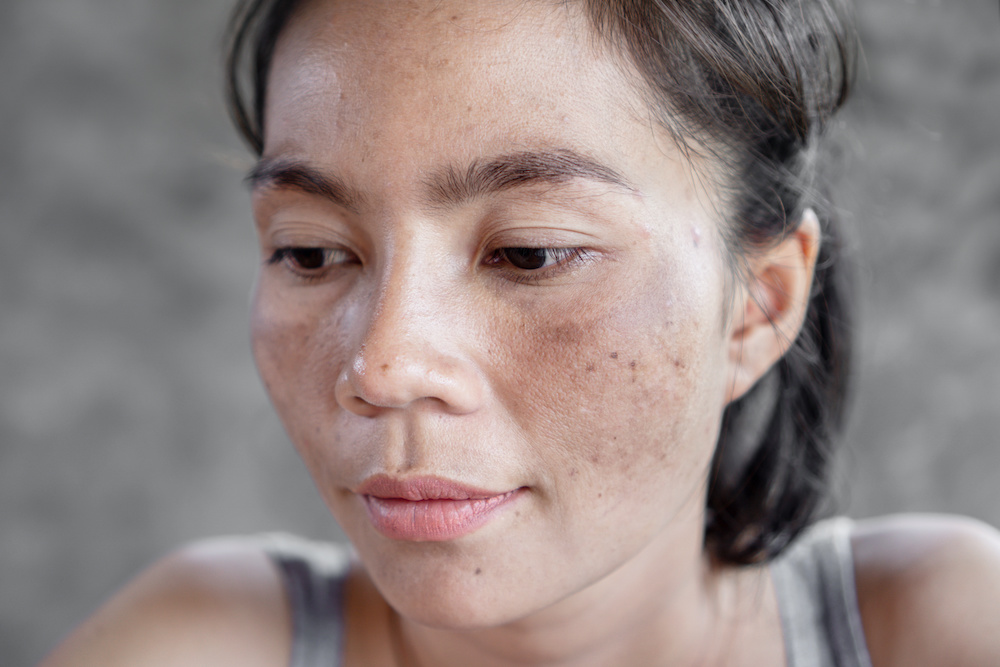
Although the dark spots on the skin may seem similar, age spots and melasma are different and can be treated by a licensed dermatologist to fade the discoloration. However, some treatments can worsen melasma, so although the two diagnoses may share some topical treatment creams, laser treatments should only be performed by someone with the skill and training to do so safely. Neither skin condition, age spots, nor melasma is harmful, contagious, or anything to be concerned about. However, most people seek treatments to remove these dark spots for cosmetic reasons, which can also improve their emotional health by boosting their confidence.
As people age, they notice occasional dark spots on their faces or other areas exposed to the sun. As we get older, those spots can darken and seem to multiply. Although fading creams and mild dermabrasion treatments remove layers of skin, some individuals may seek deeper treatments to fade darkening skin more quickly. It is always critical to find the best solution, which is highly individualized based on recovery and cost. Working with a skilled, board-certified dermatologist means a proper diagnosis, treatment options, and an honest breakdown of costs and the number of treatments needed to achieve the results sought.
Age Spot Treatments
According to the American Academy of Dermatology, age spots can be treated topically or with in-office procedures performed by a dermatologist. Although many find topical treatments successful, they can take significantly longer to yield results. It also matters for those with darker skin tones, as topical creams can lighten skin. Someone with darker skin may not want to lighten the area because it will be difficult to pinpoint the topical cream to the darkened area alone. Some dermatologists who specialize in darker skin tones would have the best working knowledge of the best treatments for darker skin.
Some popular, reasonably affordable age-spot procedures include microdermabrasion, chemical peels, and laser therapy. Chemical peels are often the first choice because they have shorter recovery time, are less expensive, and leave the skin more receptive to lightening creams. However, some clients may choose laser treatments for quicker results; however, this is not always the best choice for melasma, which also appears as dark spots on the skin, because the heat can worsen their appearance. Talk to a reputable dermatologist for a consultation, then make the decision that is best for you.
Microdermabrasion
Microneedle dermabrasion is often the preferred method for smoothing skin and removing age spots. This procedure can be in combination with others, and the results are favorable. In many cases, age spots will completely disappear. There is some inflammation following this procedure, and peeling and flaky skin for up to four days. It is always wise to plan, whether that means having this done before an event with enough time to recover, or planning for some time off work to heal to a point where you would be comfortable in front of others. All this to say, it isn’t something you would want to do on your lunch break the day before a planned weekend of activities.
Professionally Treating Melasma
Melasma is often connected to hormonal changes, which is why some women report a “mask” post pregnancy. Melasma is very common in women, and the hyperpigmentation can affect those with darker skin in greater numbers. Melanin-producing cells are more active, and sun exposure can intensify the darkness and frequency of spots. Often, treatments for melasma include chemical peels done alongside a prescribed topical treatment cream. Hydroquinone cream is highly effective, but, again, must be used cautiously in darker-skinned patients to avoid excessive lightening. Once dark spots have faded, a consistent sunscreen routine is key to keeping recurring spots, especially when skin is vulnerable after treatment. Always consult with a professional dermatologist before starting any treatment.
Chemical Peels for Age Spots and Melasma
Age spots don’t just appear on the face, but more commonly on the hands and arms. Sun exposure causes these spots, which many find unappealing and make them look older than they feel. Chemical peels are highly effective at reducing the appearance of age spots, are affordable, and have minimal recovery time. As with any skin treatment, sunscreen and protection against the sun’s harmful rays are critical for maintaining results and avoiding possible skin cancer. A licensed dermatologist can do skin cancer screenings in an office and should be part of the annual preventive health and wellness.
If you live or work in Atlanta and want to speak with a board-certified and exceptional dermatologist, contact Buckhead Dermatology. Dr. Sherrie Straughn has been treating patients throughout the area for years, helping them achieve the results they want for their age spots and melasma.