Skin Discoloration from Melasma and Vitiligo
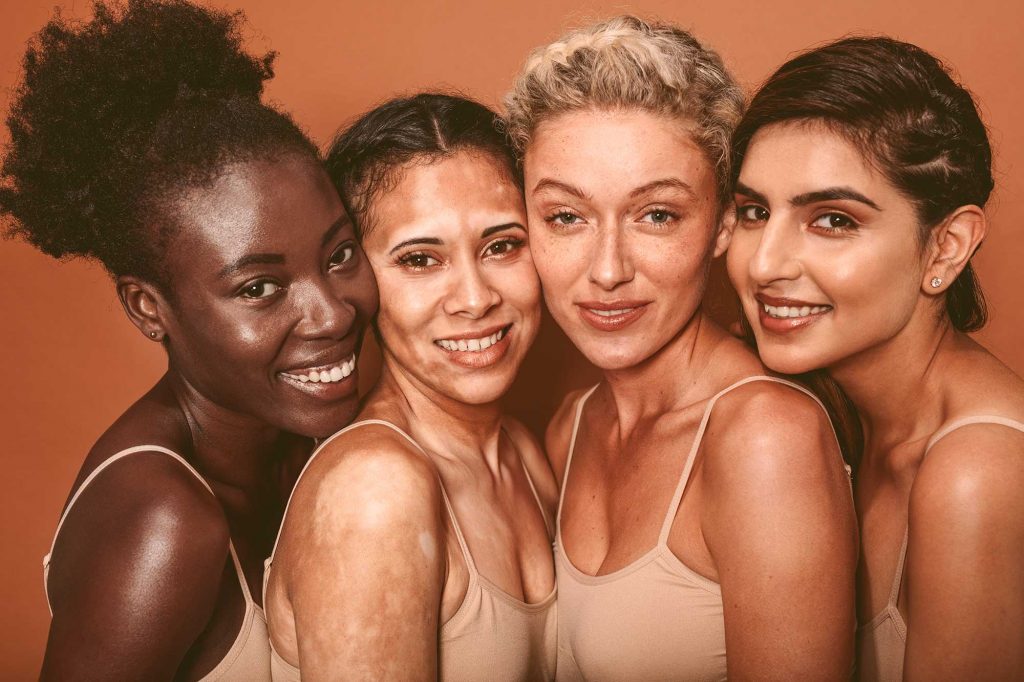
When skin pigmentation begins to darken or lighten, it is most likely melasma or vitiligo. Several skin conditions can also affect melanin levels, and a dermatologist can help diagnose and treat discoloration and other concerning skin conditions. The skin’s melanin absorbs harmful ultraviolet rays from the sun to protect it from damage, but excessive, prolonged exposure can prevent the skin from recovering. Other factors that can affect the signs of these two skin conditions include hormonal changes, skin cell damage, genetics, and UV exposure. Some have a predisposition to these conditions due to genetic factors, but today, there are treatments for those whose skin’s appearance is holding them back. Not everyone wants to reduce discoloration, but those who do can seek less-visible signs of the condition by consulting a dermatologist.
What Causes Discoloration Skin Conditions?
Many skin disorders don’t have one cause because our skin reflects our environment lifestyle choices, and then is compounded by genetics, stress, and hormonal changes. When the skin isn’t making enough melanin or making too much, the result is discoloration of the skin. Whether dark-skinned or light-skinned, these conditions can cause people to be self-conscious and hide their condition, but this does not have to be the case because there is affordable treatment for those seeking it.
Lifestyle, Stress, Genetics, and Hormones
Lifestyle choices have a significant impact on the skin’s health. Smoking, excessive drinking, or eating high-sugar diets never do the body good, but sometimes there are other factors, including stress. Stress is connected to health conditions, from headaches to obesity to heart problems, which is why it is no surprise that stress can also take a toll on the skin’s health and appearance. Those in stressful jobs or other commitments should consider finding ways to manage stress and remove sources of intense, chronic stress from their lives. Chronic stress can cause the body to become sick, weakening the immune system and allowing viruses to directly impact skin health.
We can’t change our genetics, and those with family members who have melasma and vitiligo may be more prone to developing these conditions. However, individuals can take proactive steps to protect their skin and make lifestyle choices that help keep it healthier. Some things to avoid if a person is predisposed to these conditions are minimizing exposure to the sun’s harmful rays, managing stress, and working with a licensed dermatologist to develop a tailored plan that gives the skin what it needs.
Significant hormonal changes are reasonably predictable. Women experience hormonal changes when they begin their menstrual cycles, when they become pregnant, and when they enter perimenopause. Although women may be able to predict when they are likely to develop melasma, it isn’t preventable, though it sometimes goes away on its own. If the signs don’t go away or a person wants to address the discoloration during pregnancy, they need to make sure they use a treatment that is safe for the baby. Using lighting cream is not recommended because anything absorbed into the skin will also reach the baby.
Autoimmune Vitiligo
Vitiligo is an autoimmune disease in which a person’s weakened immune system, for one reason or another, causes skin discoloration in patches that can appear all over the body. Hashimoto’s and alopecia can cause vitiligo because they are autoimmune diseases. Stressed skin damaged by autoimmune diseases can alter melanin levels and, in turn, affect skin pigmentation. The most visible discolorations appear on the face, arms, and hands, but that is usually only because those are the parts of the body that clothes don’t cover. Vitiligo appears because the skin can’t produce melanin, which is the opposite of melasma, where the skin is overproducing melanin and darkening spots on the skin.
The Mask of Melasma
Similar to vitiligo, melasma is connected to the skin’s ability to produce what it needs and nothing more or nothing less. Melasma is also similar to vitiligo because it can be triggered by significant hormonal fluctuations, which is why it is often referred to as the pregnancy mask. As women become pregnant, their bodies experience a dramatic increase in hormones, causing the skin to overproduce melanin. These dark spots often appear over the bridge of the nose and on the forehead and, in some cases, will go away on their own after birth as hormones return to normal.
Hyperpigmentation is another term for melasma and dark spots, and these spots often appear on the face and hands because sun exposure can darken them, so this is likely the first sign of this skin condition. Dark spots can also appear more frequently in older adults, as they have had lifetimes of exposure, and their skin doesn’t recover or function as well as it does when people are younger.
If you live or work in Atlanta, contact Dr. Sherrie Straughn at Buckhead Dermatology today for an appointment. She has more than 25 years of experience in helping individuals address melasma, vitiligo, and a host of skin conditions, treating them with care to achieve the results people seek.