
Early Diagnosis for Skin Cancer Matters for Everyone
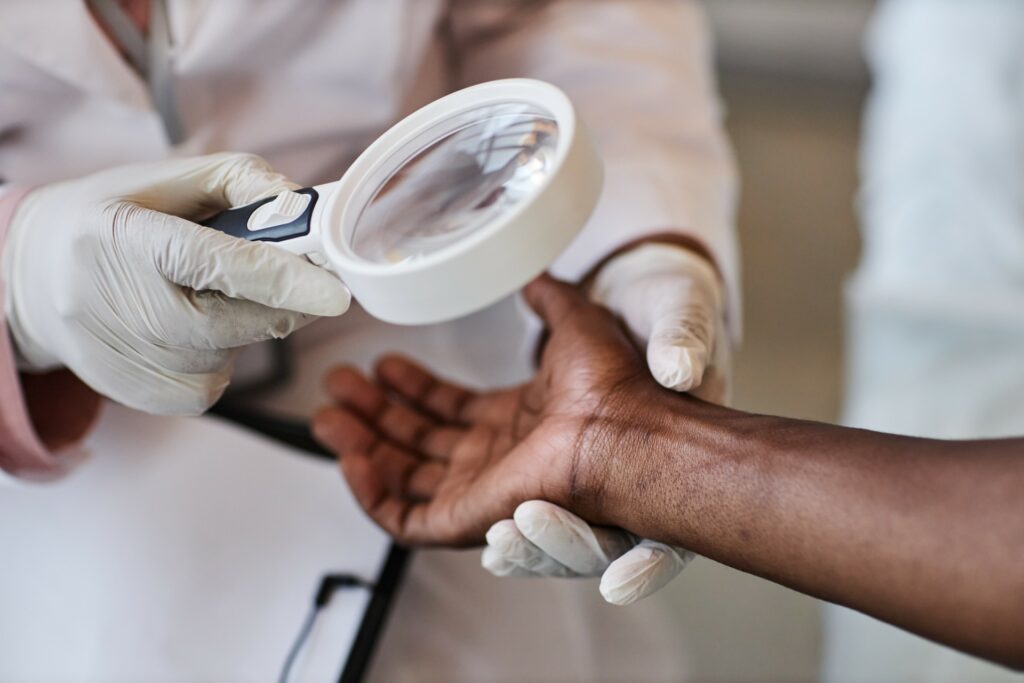
Skin cancer is often misunderstood, especially when it comes to who is at risk. Some people assume only fair-skinned individuals need to worry, while others believe that if no one in their family has had it, they are probably safe. In reality, skin cancer affects people across all skin tones, and early detection is what most often determines how simple treatment will be. These two cases show how paying attention to small changes led to early diagnosis and successful treatment.
Lighter Skin Candidates Need Screenings Early
Sarah always had light skin. Freckles and light skin left her skin bright pink, even after just a little time in the sun. She grew up covering up while spending summers outside. Sunscreen was available, but not used consistently, and certainly not during a day in the water. In a season, looking tan was ideal, and she would often burn, peel, and tan again in hopes of looking less than pale. Sunburn after sunburn damaged her skin cells on her shoulders and chest, but only when she became an adult did she realize she should get checked for skin cancer. Her awareness of skin cancer became a reality when her mom was diagnosed and treated. After that, she paid more attention and began to get regular skin cancer screenings. Over the years, Sarah’s dermatologist found a small spot on her shoulder that had a different texture. The area didn’t hurt or itch, but it also wasn’t healing on its own. Although she knew it was there, it didn’t seem like something cancerous. During her visit to her dermatologist, she had a biopsy. Waiting for results seemed like torture, but the results revealed she had basal cell carcinoma, which was common and highly treatable. Fortunately, chemo and radiation were not necessary, but since then, being diligent about her skin has helped her remain cancer free since.
Darker Skin Is Vulnerable to Skin Cancer Too
Marcus had very dark brown skin and grew up never thinking twice about skin cancer. What he had been taught was that skin cancer affected those with lighter skin. Working outside with his landscape company left him exposed to the harsh sun daily. Even long-sleeved shirts and hats couldn’t protect his skin from UV rays. Skin cancer never crossed his mind until one of his aunts was diagnosed with skin cancer, and it appeared in an ear of the body where the skin is rarely exposed to the sun. It was then that he realized that he needed to think more about skin cancer and if it might affect him and his family. After hearing about his aunt, he noticed a dark spot on his leg, and although it had been there a while, it suddenly struck him as different than the rest of his skin. It wasn’t painful, which made it easy to dismiss. Although it took him a while to make an appointment, he didn’t want to wish he’d done it sooner and missed something. The dermatologists performed a biopsy, which came back as early-stage melanoma. The cancer had to be surgically removed, and although it didn’t require chemotherapy or radiation, it hadn’t spread.
Everyone Needs Skin Cancer Screenings
Whether you grew up knowing you were at greater risk due to your light skin, ot grew up ignoring the risks because of darker skin, everyone needs to get skin cancer screenings. In the lives of both of these individuals, skin cancer was never painful and easy to ignore, which is why professionally trained dermatologists give thorough screenings to ensure nothing is missed. Skin cancer, when caught early, is highly treatable. What people should not do is disregard their instincts – if something looks different or is clearly a concern, the sooner it can be diagnosed, the better. Skin cancer happens in stages, and anything that can be done to catch it early is ideal for everyone, whether dark skin or light skin. Dr. Sherrie Straughn with Buckhead Dermatology has experience working with patients of different skin color ages, and she brings a wealth of knowledge to each appointment. Her hands-on experience and excellent bedside manner in skin cancer screenings can put even the most skeptical patients at ease. Scheduling a skin cancer screening is not only recommended but also an essential part of preventive healthcare. Working with someone experienced means you can trust their skill and guidance to overcome any findings during a skin cancer screening. It is impossible to be able to see every inch of a person’s skin, even using a mirror. Only a licensed dermatologist has the training, knowledge, and experience to properly diagnose, biopsy, and treat skin cancer.